
How Long Do Major Appliances Last? A Repair Tech's Guide

People ask me this all the time, usually when something just broke. How long do appliances last? When should I start budgeting for a replacement? Is this machine even worth fixing at this point?
The honest answer is: it depends on the appliance, how it was used, and how well it was maintained. But there are reasonable ranges for each major appliance type, and knowing them helps you make smarter decisions. Here's what I see in the field, appliance by appliance.
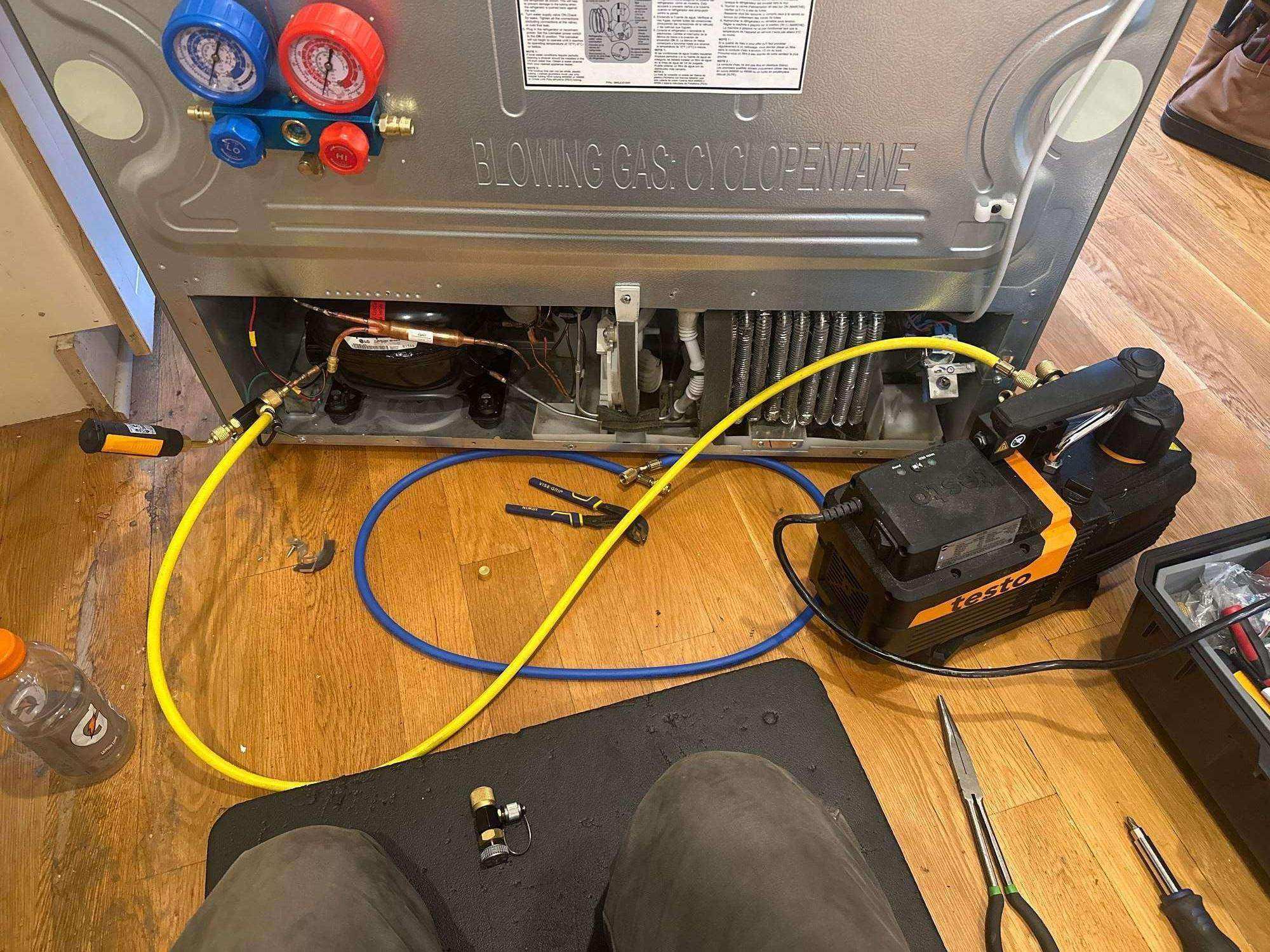
Refrigerators: 10 to 15 Years
Refrigerators tend to outlast most other kitchen appliances when they're taken care of. The big-ticket failure is the compressor. When that goes, the repair cost gets serious fast. But a lot of other refrigerator problems, like condenser coils, door seals, and defrost components, are relatively cheap fixes that can extend the life of the machine by years.
One thing worth knowing: modern smart refrigerators with touchscreens, built-in Wi-Fi, and complicated electronics tend to have shorter lifespans than their simpler predecessors. More technology means more things that can fail. Samsung ice maker problems in particular are well-documented in the industry. If your fridge has a lot of features, expect a little less longevity.
To extend the life of your refrigerator: vacuum the condenser coils once or twice a year and check the door gaskets regularly. Clean, tight seals and clear coils keep the compressor from working harder than it needs to.
Washers: 10 to 13 Years
Washers vary a lot depending on the type. Top-loaders have traditionally lasted longer than front-loaders. The mechanics are simpler, there's less wear on the drum bearings, and they tend to be more forgiving of heavy loads. Front-loaders are more efficient, but the bearings are a common and expensive failure point, and the control boards on newer models fail more than they used to.
Here in Northern Colorado, moderately hard water is a real factor. The mineral buildup accelerates wear on internal components, particularly in the pump and drum bearings. Running a washer cleaning cycle with a descaling product every couple of months helps.
When bearings go on a washer, that repair gets expensive. It's one of those situations where the 50% rule often pushes you toward replacement, especially if the machine is already past 8 or 9 years old.
Dryers: 13 to 15 Years
Dryers are the simplest machines in your laundry room. Fewer things to fail, more predictable lifespan. Heating elements and thermal fuses are the most common repairs, and both are cheap parts that are easy to swap.
The main thing that kills dryers early isn't the dryer itself. It's clogged vents. When lint builds up in the exhaust duct, the dryer has to work much harder to push air through. That stress wears out the heating element, the motor, and other components faster than normal. It also creates a fire hazard.
Clean your lint trap after every load. Have the duct cleaned by a professional every year or two, depending on how much you use the dryer. That one habit adds years to the machine's life.
Gas and electric dryers last about the same amount of time. The failure points are different. Gas dryers have igniters and gas valves, electric dryers have heating elements and thermal fuses, but the overall lifespan is comparable.
Dishwashers: 9 to 12 Years
Dishwashers have the shortest lifespan of any major appliance. The pump motor, control board, and door latch mechanism are the most common failure points. When the pump motor goes on an older machine, the repair often approaches the cost of a replacement unit.
Mineral buildup is tough on dishwashers. The deposits accumulate in the spray arms, pump, and heating element, reducing performance and accelerating wear. Northern Colorado's moderately hard water makes this worse over time. Rinse aid helps more than most people realize. It's not just for spotless dishes. It actively reduces mineral deposits inside the machine.
Running a dishwasher cleaning tablet through an empty cycle once a month goes a long way. Keep the filter clean. Check the spray arm holes for buildup.
At 9 to 12 years, if you're looking at a significant repair, replacement usually makes more financial sense.
Ovens and Ranges: 13 to 15 Years
Gas ranges outlast electric ones, generally. The mechanics are simpler and the components are more durable. Igniters, bake elements, and burner parts are affordable repairs on both gas and electric.
One thing I see cause premature failure: the self-clean cycle. Running your oven through a self-clean at 900 degrees Fahrenheit puts real thermal stress on the control board, door hinges, and temperature sensors. I'd limit it to once or twice a year at most, and manually clean spills as they happen instead of letting them accumulate.
Most oven repairs are on the affordable side. Heating elements and igniters are common and inexpensive. Control boards cost more, but the overall repair economics on ovens are usually reasonable compared to other appliances.
Microwaves: 7 to 10 Years
Microwaves have the shortest expected lifespan of any appliance on this list. The magnetron is the main failure point, and when it goes, the repair cost often doesn't make sense.
For countertop microwaves, the math is almost always replace-not-repair. A new countertop microwave costs $80 to $200. Replacing a magnetron runs close to that when you factor in labor. It's rarely worth it.
Built-in and over-the-range microwaves are a different story because of the installation cost. Replacing one means removing the old unit and installing the new one, which adds up. In those cases, it's worth at least getting a repair estimate before assuming replacement is the answer.
What Actually Kills Appliances Early
Lifespan ranges assume reasonable use and basic maintenance. In practice, there are a few things I see cut appliance life significantly short.
Skipping maintenance. Clogged condenser coils on a refrigerator. A full lint trap on a dryer. A dirty dishwasher filter. These things seem small, but they force machines to work harder than they're designed to, and that wears components out faster.
Mineral buildup from hard water. Northern Colorado water is moderately hard, meaning it carries dissolved minerals. Those minerals accumulate in dishwashers, washers, and water-connected refrigerators. Descaling regularly and using rinse aid in the dishwasher makes a real difference over time.
Power surges. A sudden voltage spike can fry a control board instantly. Control boards are expensive. A surge protector on your appliances is cheap insurance, especially for refrigerators and washers.
Overloading. Filling a washer drum beyond capacity strains the bearings and motor. Running a dryer with an oversized load traps moisture and makes the machine work longer. These habits add up over years.
Knowing how long appliances typically last helps you make smarter repair decisions. If your dishwasher is 11 years old and the pump just failed, replacement probably makes more sense than repair. If your refrigerator is 6 years old with a door seal problem, fix it. The machine has a lot of life left.
For a more detailed breakdown of how to weigh repair against replacement, read Repair or Replace? How to Decide. It walks through the 50% rule and other factors worth considering.
If you've got an appliance that's acting up and you're not sure what to do next, give me a call. I'm Jake with RMAS Appliance Repair in Fort Collins. I'll give you a straight answer on whether repair makes sense. No pressure, no upsell.
Reach me at (970) 443-4367.
Need Professional Help?
If your appliance needs more than a DIY fix, I can help.
Related Articles
Your Spring Appliance Maintenance Checklist for Northern Colorado
Spring is a good time to do a quick walk-through of your appliances. Not because something is broken, but because a little attention now prevents a breakdown later when you actually need things working. Temperatures are climbing in Fort Collins, laundry piles up with spring cleaning, and appliances that coasted through winter are about to work harder. Here's what to check.
Why Is My Refrigerator Leaking Water? Causes and Fixes
You notice a puddle on the kitchen floor in front of the fridge. Or you open it up and find water pooling at the bottom of the fresh food section. A refrigerator leaking water is one of the most common calls I get here in Fort Collins. The good news is that several of the causes are things you can check and fix yourself. Some of them are not.
Appliance Repair in Fort Collins: Meet Jake at RMAS
If you're looking for appliance repair in Fort Collins, you should know what you're getting when you call RMAS.
Need appliance repair in Fort Collins?
Give me a call at (970) 443-4367 or fill out the contact form.